
John’s Gospel seems to have already ended.
Jesus has risen. The disciples have seen him. Thomas has confessed, “My Lord and my God.”
And John has even told us why he has written the Gospel: so that we may believe and have life in Jesus’ name.
Then, almost unexpectedly, we get one more chapter…
The disciples are fishing. Peter says, “I am going fishing,” and the others go with him.
There is something wonderfully ordinary about this scene. After everything they have experienced, they go back to what they know: the boats, the nets, the lake and the fishing. And perhaps we can understand that. When life changes, sometimes we return to what we know. We go back to what is familiar.
But the disciples can return to the boat.
They cannot return to being the people they were before Jesus.
They have seen too much.
John’s Gospel has taken us on a journey of seeing.
“Come and see.” And they did.
They saw water become wine.
They saw the sick healed, the lame walk and the blind receive sight.
They saw hungry people fed.
They saw Lazarus called from the tomb.
They saw Jesus wash their feet.
They saw him die.
And now they have seen him risen.
Throughout John’s Gospel, seeing leads towards believing, and believing leads towards witness and testimony.
Once we have seen, something changes. An encounter with Christ changes us, even when we return to the same boats and the same ordinary lives.
The disciples fish all night and catch nothing. Then, in the morning, Jesus is standing on the shore. They do not recognise him at first. He tells them where to cast their nets, and suddenly they have more fish than they can bring in.
Then the beloved disciple says:
“It is the Lord!”
And Peter jumps into the water.
When they reach the shore, there is a fire.
There is bread.
There are fish.
There is breakfast.
A resurrection breakfast braai.
And I love that this is where Jesus meets them. The risen Christ does not first give them another great speech. He feeds them.
“Come and have breakfast.”
Before Peter is asked to feed Jesus’ sheep, Jesus feeds Peter.
There is grace before responsibility. Relationship before vocation. Being fed before being asked to feed others.
And then John gives us one small detail that is easy to miss.
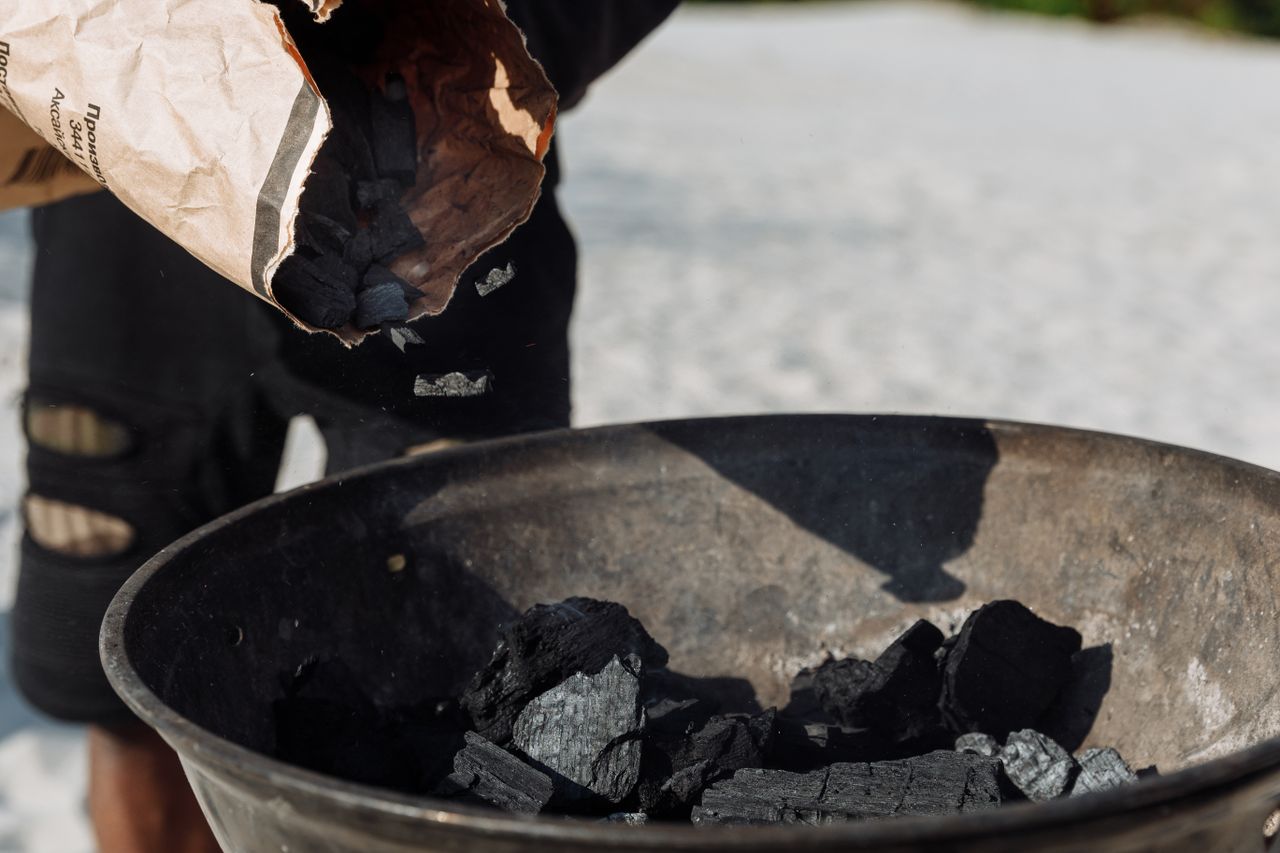
It is a charcoal fire.
The last time Peter stood beside a charcoal fire, he denied Jesus. Now Jesus has prepared another charcoal fire. The place associated with Peter’s failure becomes the place where Jesus reassures him.
Jesus asks:
“Simon son of John, do you love me?”
Three times Peter denied Jesus.
Three times Jesus asks.
Three questions.
Three affirmations.
And then:
“Feed my lambs.”
“Tend my sheep.”
“Feed my sheep.”
Peter’s failure has not erased his place. Jesus does not pretend the denial never happened.
But neither does Jesus allow Peter’s worst moment to become the final word about him.
Peter is reassured.
He is still loved.
He is still a disciple.
He still has a life to live and a vocation to fulfil.
And then Jesus says the words that take us right back to the beginning:
“Follow me.”
That may be the simplest way to understand calling. Not necessarily a dramatic moment when God gives us a complete plan for our lives. Sometimes calling begins with an encounter.
We come and see. We discover grace. We experience love, acceptance, forgiveness or mercy in a way that reaches somewhere deep within us. And after that, we are not quite the same.
Perhaps we begin to want other people to experience what we have experienced.
Perhaps what once seemed unimportant suddenly matters.
Perhaps we discover that the grace we have received is something we want to share.
Our calling grows out of the encounter. And yet Peter gives us one more very human moment. He sees the beloved disciple and asks:
“Lord, what about him?”
Jesus answers:
“What is that to you? Follow me.”
Peter has just been reassured about his own life, and immediately he starts looking at someone else’s. And, perhaps we do the same. We compare our gifts. Our ministries. Our opportunities. Our failures. Our successes. We wonder why someone else’s journey looks different from ours.
But Jesus does not give Peter the beloved disciple’s path.
He gives Peter his own.
“What is that to you?”
“Follow me.”
That is where John 21 leaves us.
We have come and seen.
We have believed.
We have been fed.
We have been reassured.
And now we follow.
Not because we have everything figured out. Not because we have never failed. Not because we know exactly where the road will lead. But because we have encountered Christ.
And once we have truly encountered Christ, we may return to the same boats, the same homes, the same workplaces and the same ordinary lives.
But we are not quite the same people who entered them.
So perhaps the question is not simply, “What is God calling me to do?”
Perhaps it is:
Having seen Christ, having received grace, having been fed and reassured… where is Christ inviting me to follow?
Prayer
Risen Christ,
Thank you for meeting us where we are,
for feeding us when we are weary,
and reassuring us when we have failed.
Help us remember that our failures do not have the final word.
When we compare our journey with others,
turn our eyes back to you.
And when we hear you say,
“Follow me,”
give us the courage to follow.
Amen.